Solving Unexplained Infertility in Goa: Understanding Sperm DNA Fragmentation (DFI) and Advanced TESA Treatment
Unexplained Infertility often has a hidden cause: Sperm DNA Fragmentation (DFI). For couples struggling with failed IVF cycles or recurrent miscarriage, a standard semen analysis isn't enough. At IVF Angels Goa, Dr. Milind Colvalcar—Goa’s expert in Andrology and advanced male fertility—solves these complex cases using state-of-the-art diagnostics and procedures. We specialize in DFI testing, DNA-protective sperm sorting like Microfluidics, and surgical sperm retrieval techniques such as TESA and MicroTESE for Azoospermia. Get the expert diagnosis and the advanced treatment you need, attracting patients from across Goa including Panjim, Margao, and our clinic location in Mapusa.
Introduction: The Frustration of the ‘Unexplained’
For many couples struggling to conceive, the diagnosis of Unexplained Infertility can be the most frustrating. You’ve completed countless tests—ovulation is normal, fallopian tubes are open, and the male partner’s Semen Analysis (Link to your “Basic Male Infertility” or “Standard Semen Analysis” post) looks normal. Yet, pregnancy remains elusive.
At IVF Angels Goa, led by Dr. Milind Colvalcar, we recognize that “unexplained” simply means the traditional diagnostic tools have missed the answer. The next frontier in solving these cases often lies in advanced male diagnostics and surgical sperm retrieval, specifically targeting issues with the genetic quality of the sperm.
Decoding the Invisible Problem: Sperm DNA Fragmentation (DFI)
What is High Sperm DNA Fragmentation?
While a standard semen analysis evaluates the quantity, movement (motility), and shape (morphology) of sperm, it completely overlooks the integrity of the DNA inside the sperm head.
Sperm DNA Fragmentation (DFI) is a measurement of damage, breaks, or lesions in the genetic material of the sperm. If this DNA is severely fragmented, the sperm may still fertilize the egg, but the resulting embryo is less likely to implant or develop successfully.
Note: A DFI test measures the percentage of sperm with damaged DNA. While the exact threshold varies slightly, a result of DFI >=30% is generally considered clinically significant and often associated with a reduced chance of natural conception and lower success rates in basic fertility treatments like IUI. A DFI <=15% is typically considered the ideal range for pregnancy success.
When Should DFI Testing Be Considered?
High DFI is the leading “invisible” cause of male infertility, making this test essential in the following scenarios:
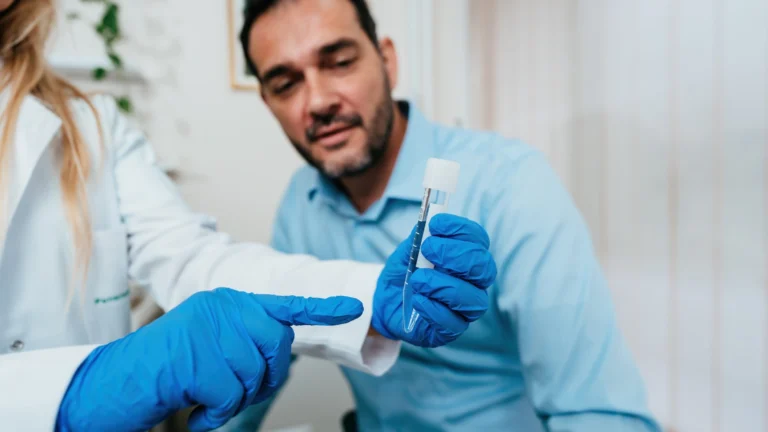
Unexplained Infertility: The most common indicator, especially when the male partner has a normal routine semen report.
Recurrent Miscarriage: Target query: Sperm DNA fragmentation and recurrent miscarriage. High DFI can compromise the embryo’s DNA repair mechanisms, often leading to early pregnancy loss.
Recurrent IVF/ICSI Failure: Multiple failed cycles despite good egg quality and seemingly healthy embryos.
Advanced Male Age or chronic exposure to environmental toxins/heat.
Key Search Query:DFI test normal range for pregnancy
Solutions for High DFI: Improving Sperm Quality and Selection
How to Improve High DFI (DNA Fragmentation Index)
Fortunately, sperm quality is not static; it takes approximately 72–90 days for new sperm to mature. Lifestyle changes and medical interventions can significantly lower DFI levels.
Advanced Sperm Selection (Microfluidics): When DFI remains high despite lifestyle changes, we bypass the problem using cutting-edge lab technology. (See next section).
Lifestyle Modifications: Eliminate key sources of oxidative stress, such as smoking, excessive alcohol consumption, and prolonged testicular heat exposure (e.g., hot tubs, prolonged laptop use).
Antioxidant Therapy: Dr. Colvalcar may prescribe a targeted regimen of oral antioxidants (e.g., L-carnitine, CoQ10, Vitamin E, Zinc) for 3–6 months to reduce oxidative stress and DNA damage.
Solving Absence: TESA and Advanced Sperm Retrieval
For a different group of men, the challenge isn’t DNA quality, but sperm presence. Azoospermia is the complete absence of sperm in the ejaculate, affecting about 1% of the male population.
What is TESA procedure for Azoospermia?
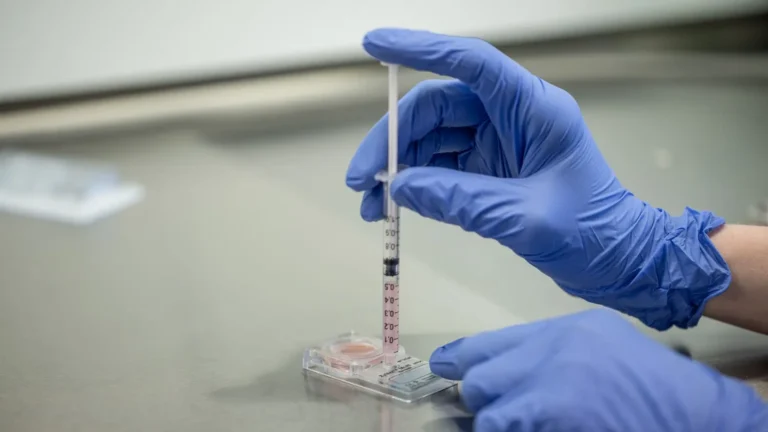
TESA (Testicular Sperm Aspiration) is a minimally invasive surgical procedure used to retrieve sperm directly from the testicular tissue for use in ICSI (Link to your “ICSI” post).
The Procedure: Under local or general anesthesia, a fine needle is inserted into the testis to aspirate a small amount of tissue. The embryologist then immediately examines this tissue for viable sperm.
When is TESA Recommended? TESA is the preferred method for men with Obstructive Azoospermia (where sperm production is normal but a blockage prevents release) and is often the first, less-invasive step for men with Non-Obstructive Azoospermia (NOA).
TESA vs MicroTESE for Sperm Retrieval
Choosing the right retrieval method is crucial, especially in complex cases.
Feature
TESA (Testicular Sperm Aspiration)
MicroTESE (Microdissection TESE)
Technique
Simple needle aspiration.
Surgical incision with high-power operating microscope.
Indication
First-line for Obstructive Azoospermia (OA). Often initial step for NOA.
Gold Standard for Non-Obstructive Azoospermia (NOA).
Invasiveness
Less invasive.
More invasive but highly targeted.
Sperm Yield
Good for OA. Variable for NOA (approx. 30-50% retrieval rate).
Higher yield for NOA by locating rare pockets of sperm.
The choice between TESA and the more complex MicroTESE is based on hormone levels, genetics, and a thorough assessment by a urologist, often working in tandem with Dr. Colvalcar.
Success Rate of TESA in India (and Goa)
The success of sperm retrieval is highly dependent on the type of azoospermia:
For Obstructive Azoospermia (OA), sperm retrieval success is almost 100% with TESA/TESE.
For Non-Obstructive Azoospermia (NOA), retrieval rates typically range from 30% to 60% and are significantly improved by using MicroTESE techniques in expert hands like those at IVF Angels Goa.
Once sperm is retrieved—either through ejaculation (for high DFI cases) or surgically (for TESA cases)—the goal is to select the single, healthiest sperm to inject into the egg using ICSI (Intracytoplasmic Sperm Injection). Conventional methods (like Density Gradient Centrifugation) can sometimes increase DNA damage due to centrifugal stress.
This is where advanced sperm sorting techniques become essential.
Microfluidics Sperm Sorting Benefits
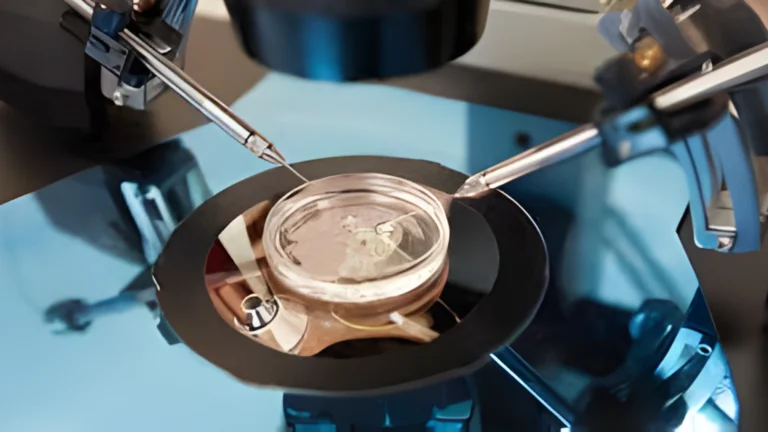
Microfluidics (often referred to as Physiological ICSI or PICSI, depending on the device) is a revolutionary technique that minimizes damage and optimizes selection.
How it Works: The semen sample is placed on a micro-chip etched with tiny, natural-like channels. The sperm must naturally swim through these channels to be collected. This process mimics the female reproductive tract, acting as a biological filter.
The Benefit: Only the most motile, strongest, and, critically, the sperm with the lowest DNA fragmentation can successfully navigate the chip. This non-invasive, gentle selection process significantly reduces the chance of selecting genetically damaged sperm for ICSI.
By selecting sperm with better DNA integrity, microfluidics has been shown to improve blastocyst quality and, for couples with recurrent failure or high DFI, may increase clinical pregnancy rates and decrease the risk of miscarriage.
Your Expert Path to Parenthood in Goa
If you have been diagnosed with unexplained infertility or are struggling with recurrent miscarriage or IVF failures, the solution may lie in advanced male factor diagnostics and treatment.
At IVF Angels Goa, Dr. Milind Colvalcar and our expert lab team combine the latest in technology—from DFI testing and Microfluidic Sperm Sorting to surgical procedures like TESA and MicroTESE—to uncover and solve even the most complex male factor issues right here in Goa.
The next step in your journey is not another standard test; it’s a specialist consultation.
📞 Book Your Advanced Male Fertility Consultation
We understand the anxiety that comes with unexplained infertility. Take the next step toward a clear diagnosis and targeted treatment plan with Dr. Milind Colvalcar at IVF Angels Goa.
Frequently Asked Questions (FAQs) about DFI and TESA
Q1: What is the normal DFI test range for a successful pregnancy?
A: A DFI (DNA Fragmentation Index) result of less than $\text{15}\%$ is generally considered optimal or “normal” for achieving a successful pregnancy, either naturally or through standard IUI/IVF. Results above $\text{30}\%$ are considered high and strongly suggest the need for advanced treatments like Microfluidics sperm sorting or using surgically retrieved sperm (TESA/MicroTESE) in an ICSI cycle.
Q2: Does high sperm DNA fragmentation cause recurrent miscarriage?
A: Yes, there is a strong clinical association. High sperm DNA fragmentation can lead to poor embryo development because the sperm’s genetic material cannot be adequately repaired by the egg. This often results in failed implantation or early, recurrent pregnancy loss (miscarriage). Testing DFI is a critical step in diagnosing and treating unexplained recurrent miscarriage.
Q3: Is TESA performed for every case of Azoospermia?
A: No. TESA (Testicular Sperm Aspiration) is primarily used as the first step for Obstructive Azoospermia (where sperm production is normal but there is a blockage). For complex cases like Non-Obstructive Azoospermia (NOA), the more advanced procedure, MicroTESE (Microdissection Testicular Sperm Extraction), is often recommended by Dr. Colvalcar due to its higher success rate in finding rare pockets of sperm.
Q4: How does Microfluidics help when DFI is high?
A: Microfluidics is an advanced sperm sorting technique that helps bypass DNA damage. Unlike traditional sorting methods that can stress the sperm, Microfluidics uses tiny channels to allow only the most motile, strongest, and biologically sound sperm (those with the lowest DNA fragmentation) to swim through for collection. This selects the highest quality sperm for use in ICSI, increasing the chance of a healthy embryo.
Q5: Can TESA-retrieved sperm be used if my ejaculated sperm has high DFI?
A: Yes. In some cases of extremely high DFI, sperm retrieved directly from the testis via TESA or TESE may have lower DNA fragmentation than the ejaculated sperm. This is a potential strategy used by specialists like Dr. Colvalcar to completely bypass the damaged sperm population and improve outcomes in subsequent ICSI cycles.
Q6: Which treatment is considered best for male infertility?
The “best” treatment is always personalized, depending entirely on the underlying cause. At IVF Angels Goa, we follow a stepped approach:
Medical Management: For issues like hormonal imbalances (e.g., low testosterone, high prolactin), our specialists may recommend medications and antioxidant supplements to correct the imbalance and boost natural sperm production.
Assisted Reproductive Techniques (ART): If there are persistent issues with sperm count, motility, or function, the doctor will recommend ART. This often begins with IUI (Intrauterine Insemination) for mild cases, moving to IVF or ICSI (Intracytoplasmic Sperm Injection) (often paired with advanced sorting like Microfluidics) for moderate to severe male factor infertility (e.g., severe low count or high DFI).
Surgical Retrieval: For men with zero sperm count (Azoospermia), procedures like TESA or Micro-TESE are performed to surgically retrieve sperm for use with ICSI.
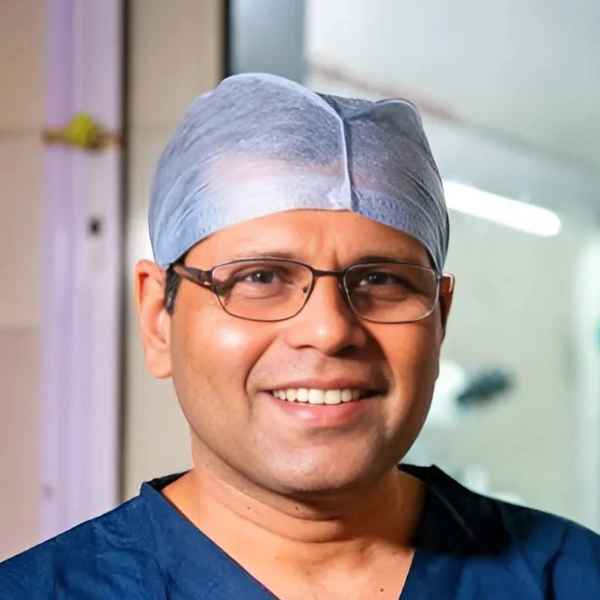
Medical Review & Oversight This article has been medically reviewed and approved by Dr. Milind Colvalcar, a leading Fertility Specialist and Expert in Andrology (Male Reproductive Health), and the lead consultant at IVF Angels Goa (within Mapusa Clinic). Dr. Colvalcar brings over 20 years of experience in advanced reproductive technologies (ART), specializing in complex male factor infertility, including TESA, Sperm Sorting, and DFI testing, serving couples across North and South Goa. — Dr. Milind Colvalcar’s Profile
IVF Angels Goa is a leading fertility clinic in Mapusa, North Goa, offering compassionate, science-backed fertility care. Our expert team of IVF specialists provides personalized treatments including IVF, IUI, Egg Freezing, ICSI, and advanced diagnostics. Trusted by couples across India and NRIs abroad, we’re committed to helping you achieve your dream of parenthood — with transparency, empathy, and clinical excellence.